App Store localization is not just about translating an app for different markets. In ASO, it is a key tool for expanding semantic coverage and improving indexing across a broader range of search queries.
On the one hand, localization helps adapt a product to different languages and cultural contexts. On the other hand, it opens up additional opportunities to grow your audience and scale your business. From an ASO perspective, the smart use of additional locales allows you to expand metadata and improve app visibility even without translating the product itself.
In this article, we explain how to strategically work with additional locales in your ASO process.
How Localization Works in the App Store
After adding your app in App Store Connect, you select a primary language and, if necessary, add additional locales on the App Information page. This is where localized Title, Subtitle, Keywords, and description fields are filled in.
If, for example, English (US) is selected as the primary language and no additional locales are added, your metadata will appear in English across all App Store regions.
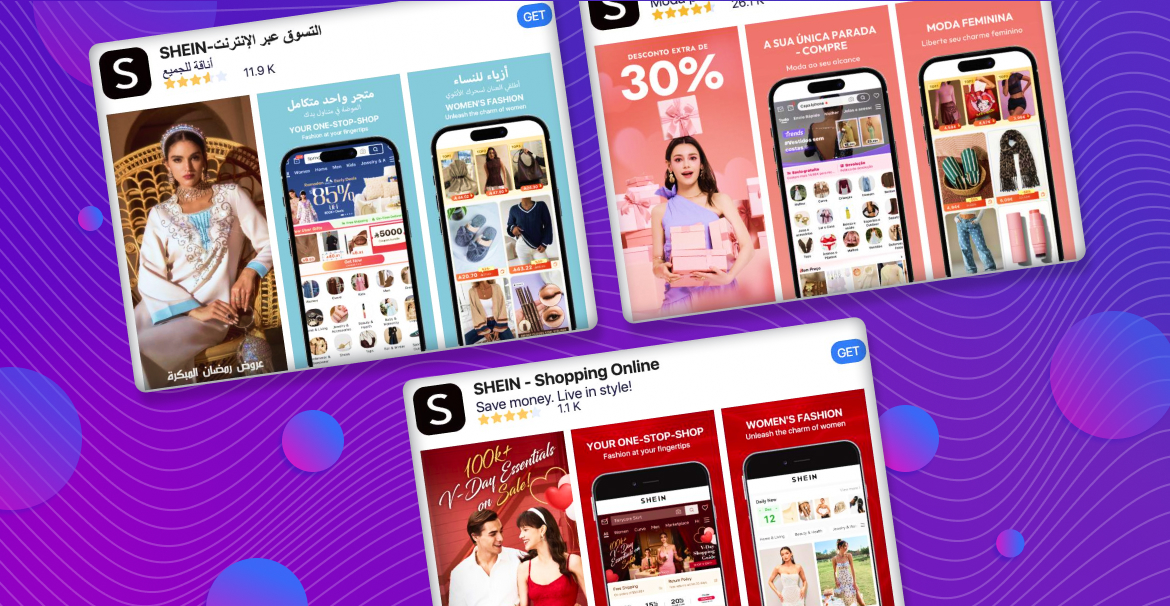
However, if you add a German localization, users whose device language is set to German will see the German version of your app page. Moreover, your app will start indexing for keywords added in the German locale across all countries where German is supported.
If a user’s device language does not match any of the added localizations, the App Store will automatically display the most relevant version. In all other cases, the app's primary language will be displayed.
What Localization Gives You from an ASO Perspective
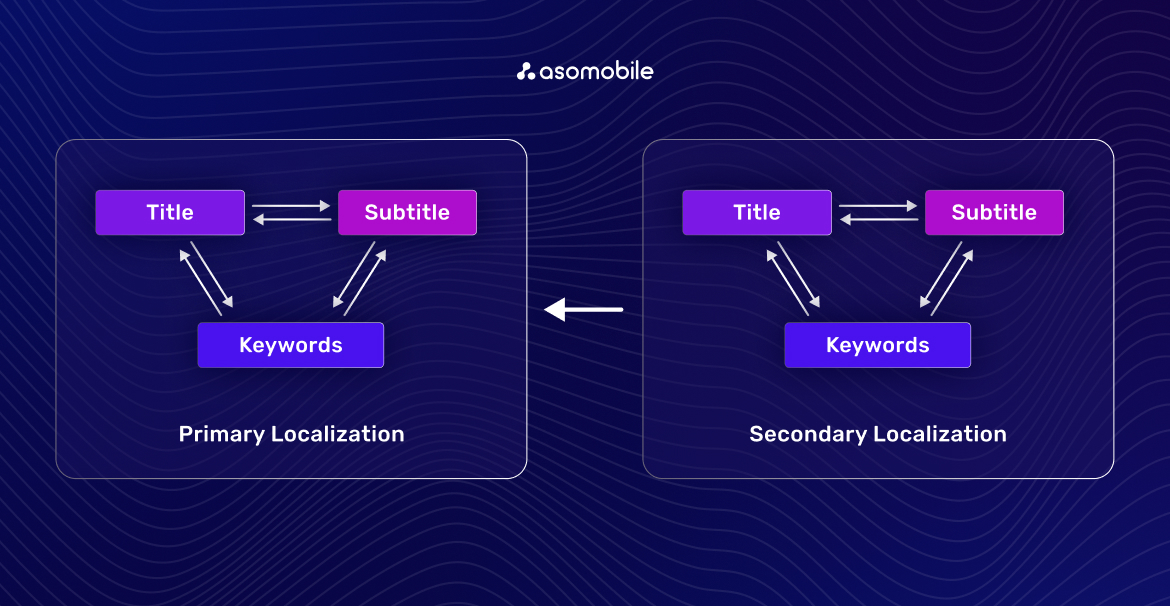
Each locale in App Store Connect has its own set of indexable fields:
- Title — up to 30 characters
- Subtitle — up to 30 characters
- Keywords — up to 100 characters
This means that each additional locale provides an additional 160 characters of indexable metadata.
If a country indexes across multiple languages, you can expand your semantic coverage through several locales at once — significantly increasing your pool of searchable queries.
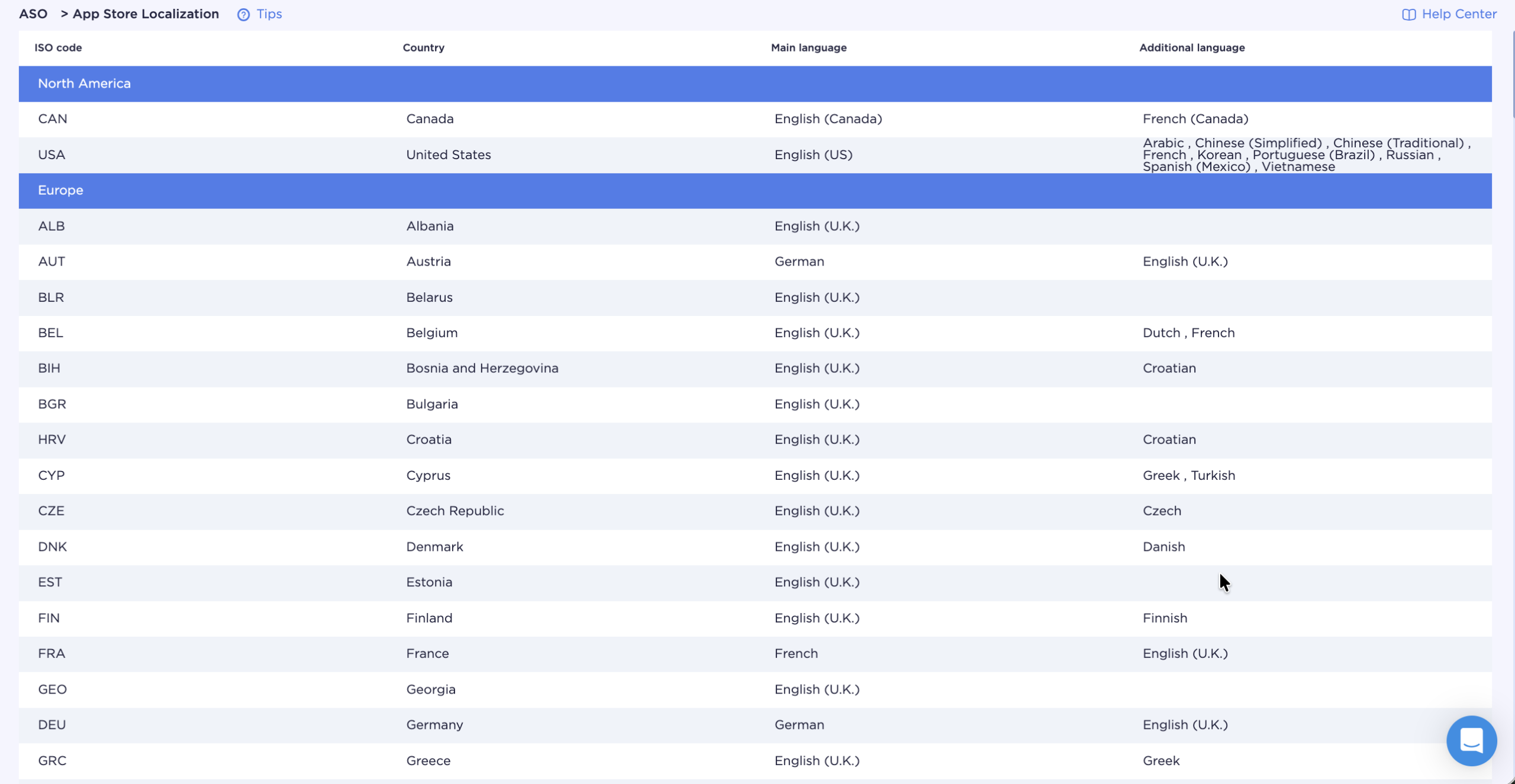
You can check the list of current additional locales for each country here.
Important: How Keywords Are Combined
There is one key principle that even experienced specialists sometimes overlook. In the App Store, keywords are combined only within a single locale. This means the system merges words from the Title, Subtitle, and Keywords fields, but only within the same language.
For example, if you have the word blocks in English (US) and kids in Spanish (MX), your app will not index for the query kids blocks in the US. These words belong to different locales and do not intersect.
That is why each locale must be semantically independent. Inside every locale, keywords should form a logical structure that can be combined effectively.
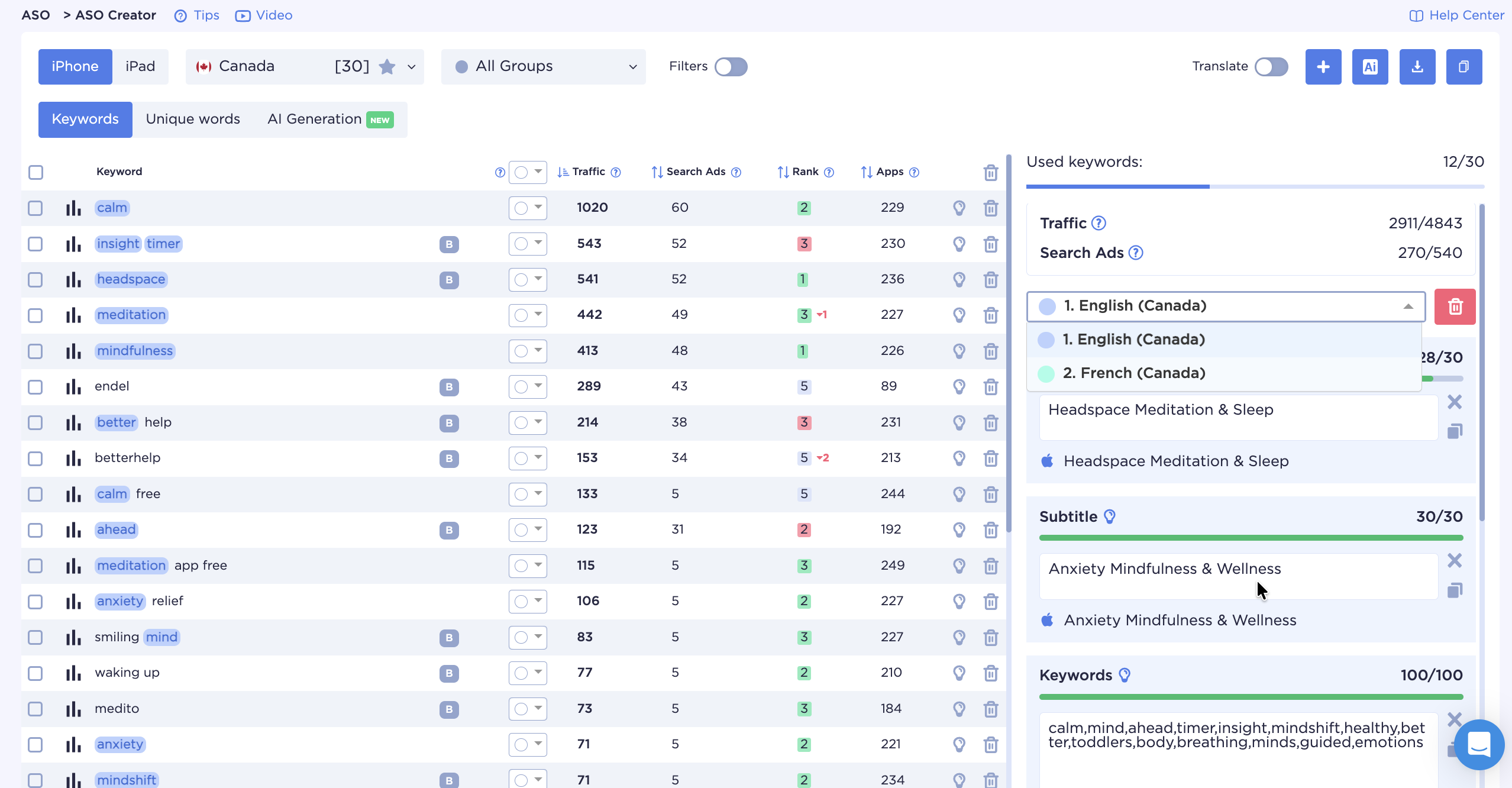
To avoid technical errors and streamline metadata creation, we use the ASO Creator tool. It provides a list of additional locales depending on the selected country and helps maximize the use of your semantic core.
When to Use Additional Locales
Additional locales are a tool — and like any tool, they work only when used correctly. It makes sense to use them if:
- your primary market is already optimized, but you lack character space to expand semantics.
- the app is not localized for additional language;
- you are not directly targeting that language audience.
In other words, if the product is not focused on a specific market, its locale can be used to expand metadata.
However, if you are genuinely entering that market and working with its users, filling the cross-locale with technical keywords in another language is a bad idea. It may reduce conversion rates and negatively impact behavioral metrics.
Strategy Example
Let’s assume your primary market is the United States. Your semantic core is well-structured, but the 100-character Keywords field is not enough to include all priority queries.
In this case, you can use an additional locale, such as Spanish (MX), and fill it with keywords in English. This gives you an extra 160 characters of indexable space.
However, this approach works only if you are not targeting Spanish-speaking users and do not plan to fully localize for that audience.
Why a Strategic Approach Matters
Additional locales were once considered an ASO “hack.” Today, they are part of a thoughtful scaling strategy. It is important to consider:
- keyword relevance,
- competition within each specific locale,
- potential impact on conversion rate,
- long-term expansion plans into new markets.
Ignoring additional locales is one of the most common ASO mistakes. But using them without a clear strategy can be even more damaging.
Optimize easily with ASOMobile💙
No. From an ASO perspective, additional locales can be used to expand metadata even without translating the app itself. The key condition is that you are not directly targeting that language audience. If a specific market is not your priority, its locale can be used to scale your semantic coverage.
Each locale includes its own set of indexable fields:
Title — up to 30 characters
Subtitle — up to 30 characters
Keywords — up to 100 characters
In total, this gives you +160 characters of indexable metadata per additional locale.
No. Keywords are combined only within a single locale.
If one word is placed in English (US) and another in Spanish (MX), the system will not combine them into one search query. That’s why each locale must be semantically independent and structured logically.
You should not fill a locale with “technical” keywords if you are actively entering that market and working with its users. This can negatively impact conversion rates and behavioral metrics. Additional locales are a strategic tool — not a universal shortcut.